

Network Forensics
Network forensics is the capture, recording, and analysis of network events and traffic to document communications, reconstruct intrusions, and produce court-admissible evidence. GDF's certified network forensics analysts examine packet captures, firewall logs, IDS/IPS alerts, NetFlow records, and DNS logs. For device-level evidence from endpoints, our computer forensics team handles workstation and server acquisition. to answer the questions attorneys and regulators need answered.
What Network Forensics Covers
Network forensics encompasses the collection and forensic examination of all data artifacts that document the behavior of networked systems: the traffic they exchange, the connections they establish, the protocols they use, and the anomalies that indicate unauthorized activity. Unlike host-based forensics, which examines the artifacts left on individual computers or servers, network forensics captures evidence of communications as they traverse the network infrastructure itself. This makes network forensics essential in matters where the host-based artifacts have been destroyed, altered, or are otherwise unavailable, and in cases where the forensic question concerns communications between parties rather than activity on a single device.
GDF's network forensic examinations cover the full range of network data sources and protocols in use in modern enterprise environments:
- Packet capture analysis: examination of full-content packet captures (PCAPs) in Wireshark and specialized forensic tools to reconstruct sessions, extract transferred files, recover transmitted credentials, and document communications at the protocol level
- Protocol analysis: forensic examination of TCP/IP, DNS, HTTP and HTTPS, SMTP and IMAP, FTP, SSH, RDP, SMB, LDAP, Kerberos, and custom application protocols to document what was communicated and how
- Firewall and proxy log analysis: examination of firewall connection logs, proxy access logs, and URL filtering records to reconstruct network activity, identify policy violations, and document data exfiltration paths
- IDS/IPS alert correlation: analysis of intrusion detection and prevention system alerts to identify attacker activity, correlate alerts across time and infrastructure, and reconstruct attack sequences
- NetFlow and sFlow analysis: examination of flow records to document traffic volumes, connection patterns, and data transfer quantities even where full packet capture is not available
- DNS log analysis: DNS query and response logs examined to identify command-and-control communications, data exfiltration via DNS tunneling, domain generation algorithm (DGA) activity, and DNS reconnaissance
- Wireless network forensics: analysis of wireless access point logs, 802.11 frame captures, and wireless management system records to document unauthorized wireless access or device activity
- VPN traffic and authentication log analysis: VPN connection records, authentication logs, and session metadata examined to document authorized and unauthorized remote access
- Encrypted traffic metadata analysis: where content decryption is not available, analysis of connection metadata, certificate information, timing, and behavioral patterns to characterize encrypted communications
- Session reconstruction and timeline building: assembly of evidence from multiple network sources into a coherent chronological narrative of network events
Network forensics evidence is particularly powerful in matters where the opposing party claims that specific communications did not occur, that data was not exfiltrated, or that a breach was limited in scope. Network records capture ground truth about what actually transited the wire, independent of what any single endpoint's logs show.
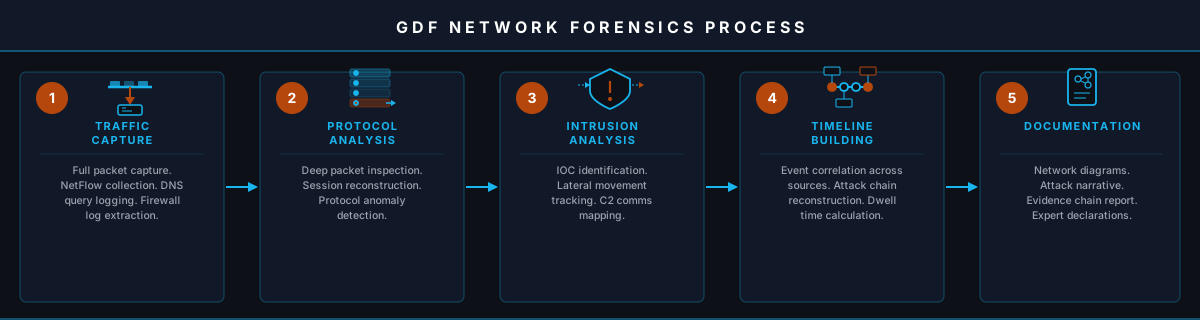
GDF's Network Forensics Process
GDF's network forensics engagements follow a rigorous process designed to produce findings that are accurate, complete, and defensible in federal and state proceedings. The engagement begins with evidence identification and collection, conducted with the care required to establish and maintain court-admissible chain of custody. Network evidence sources are diverse and often volatile: packet captures may not be retained beyond 24 to 72 hours, firewall logs may rotate on short cycles, and IDS alert databases may be overwritten without notice. GDF's analysts prioritize rapid evidence preservation when retained in the immediate aftermath of an incident.
Evidence collection covers all available sources: router and firewall logs exported directly from the device or management system, packet capture files from network taps or analysis appliances, SIEM log exports, proxy logs, VPN server logs, wireless infrastructure logs, and NetFlow data from network device exporters. For each source, GDF documents the collection date and time, the identity of the person who performed the collection, the cryptographic hash of the collected data, and the chain of custody transfer to GDF's secure evidence facility. This documentation is essential when the evidentiary value of network records is challenged in litigation.
The analysis phase employs a combination of specialist tooling and manual analyst examination. GDF uses Wireshark for packet-level analysis and protocol dissection, NetworkMiner for network traffic artifact extraction (files, credentials, certificates, images transferred over the wire), Zeek (formerly Bro) for structured log generation from packet captures, Suricata for retroactive signature-based detection against historical packet data, and purpose-built Python and Bash scripting for large-scale log correlation. Analyst-driven timeline reconstruction assembles findings from all sources into a chronological record of events, identifying the sequence of attacker actions, the systems affected, and the data accessed or transmitted.
GDF's network forensics reports are structured in two layers. The technical report presents every finding with the supporting evidence, specific timestamps, source and destination IP addresses (with attribution where determinable), byte volumes, protocol-level detail, and analyst methodology notes sufficient to allow an opposing expert to reproduce the analysis. The attorney-facing sections translate these findings into plain-language narrative, identifying key events, their legal significance, and the limitations of the available evidence. GDF analysts are available for deposition and trial testimony regarding network forensic findings and are experienced in explaining complex protocol behavior to non-technical judges and juries.
Network Forensics in Litigation and Regulatory Proceedings
Network forensics plays a central evidentiary role in a broad range of legal and regulatory proceedings. In intellectual property theft and trade secret matters, network forensic analysis documents the path and volume of data exfiltrated: which files were transferred, to what external destination, using which protocol, at what time, and from which internal source. This evidence establishes the scope of misappropriation and supports damages calculations under the Defend Trade Secrets Act and applicable state statutes. GDF has supported trade secret matters in federal courts across multiple circuits and in international arbitration.
In data breach litigation and regulatory enforcement, network forensics provides the factual foundation for breach scope determinations. Plaintiffs and regulators need to know which systems were accessed, what data was transmitted off-network, how long the attacker had access, and whether the breach was detected and contained or remained active. GDF's network forensic analysis addresses each of these questions with documented evidence, supporting both the breach notification process and the subsequent litigation or regulatory proceeding. Matters requiring document-level ESI production can be handled by our eDiscovery team in parallel. Our analysts have supported breach matters before state attorneys general, the FTC, HHS OCR (HIPAA enforcement), and the SEC.
In insurance coverage disputes following cyber incidents, the scope and timeline of a breach as established by network forensics directly affects coverage determinations. Insurers and policyholders dispute whether an incident falls within a policy period, whether notice was timely, and whether the breach scope supports the claimed loss amount. GDF's network forensic findings, documented with forensic rigor and presented by a credentialed expert, provide the objective technical record that resolves these disputes.
In criminal matters, network forensics supports both prosecution and defense. In cybercrime prosecutions, network evidence documents unauthorized access, malware command-and-control communications, and data theft. In criminal defense, network forensics can establish that an accused individual's IP address was used by another party, that traffic attributed to the defendant originated from compromised infrastructure, or that the government's forensic conclusions are technically unsupported. GDF analysts have served as defense experts in federal cybercrime prosecutions and state criminal proceedings across the country.
For class action litigation following large-scale breaches, network forensics supports both class certification arguments about the commonality of the breach and damages calculations based on the volume and sensitivity of data exposed. GDF's analysts have quantified breach scope from network evidence in matters affecting tens of millions of records, providing the technical foundation for settlement negotiations and trial preparation.
GDF serves clients nationwide and internationally, with offices in New York, Boston, Washington DC, Miami, Tampa, Los Angeles, and San Francisco. Call 1-800-868-8189 for a confidential consultation with a certified network forensics analyst.
Last updated: April 14, 2026
Packet-Level Analysis
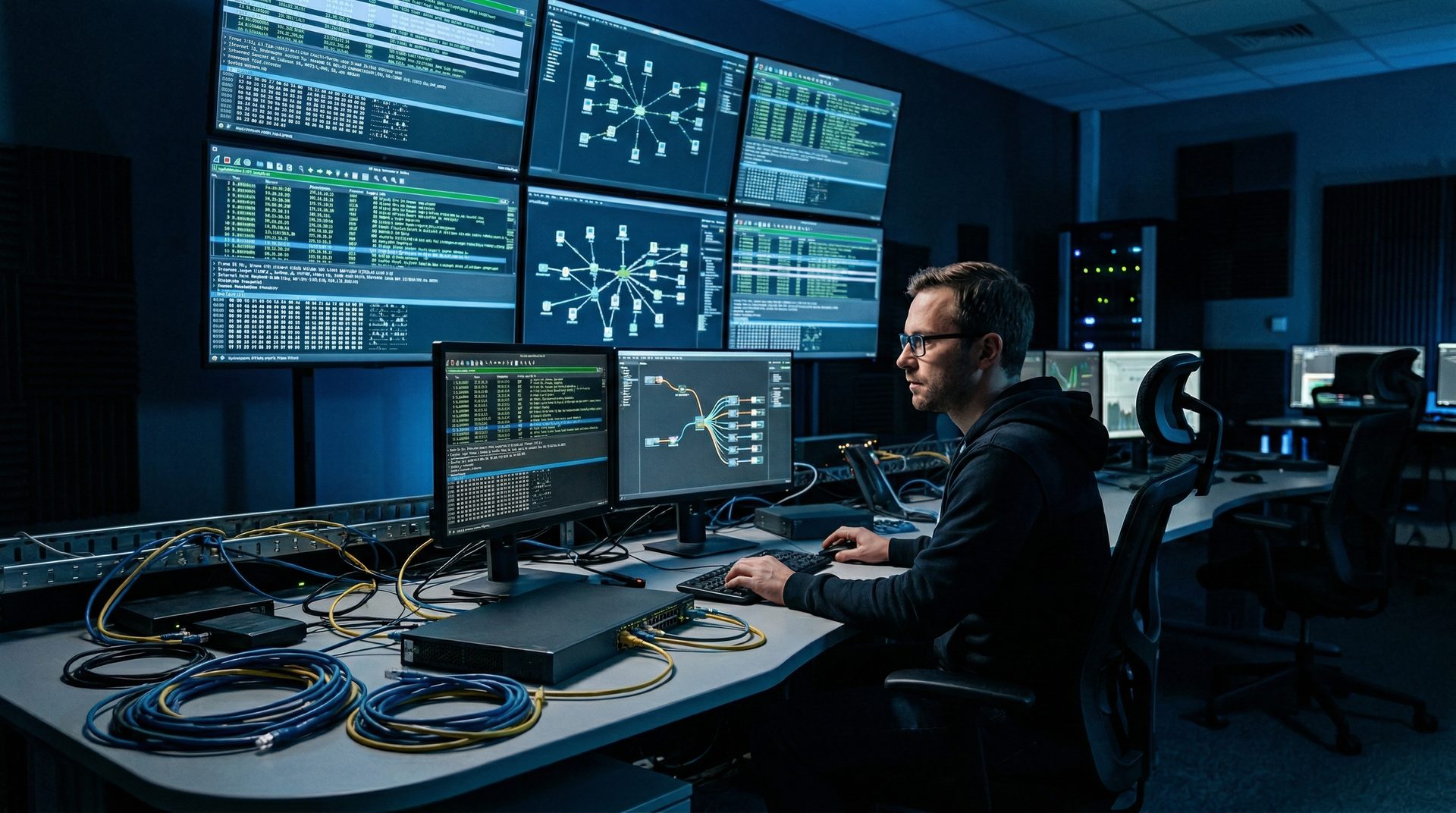
GDF's analysts examine full-content packet captures at the protocol level, reconstructing sessions, extracting transferred files, and documenting the exact content of network communications.
Breach Timeline Reconstruction
From firewall logs, NetFlow data, IDS alerts, and packet captures, GDF builds complete timelines of attacker activity for insurance claims, litigation, and regulatory submissions.
Expert Witness Testimony
GDF's network forensics analysts have testified in federal and state proceedings on packet capture evidence, intrusion reconstructions, and data exfiltration quantification.
Data Exfiltration Quantification
For IP theft and breach matters, GDF quantifies the volume and type of data transferred off-network, supporting damages calculations and breach notification scope determinations.
Request a Consultation
All consultations are strictly confidential. Network evidence is time-sensitive: contact GDF promptly to ensure critical logs and captures are preserved.